
Storm Damage Tree Removal in St. James, MO
Storm Damage Tree Removal After Heavy Winds
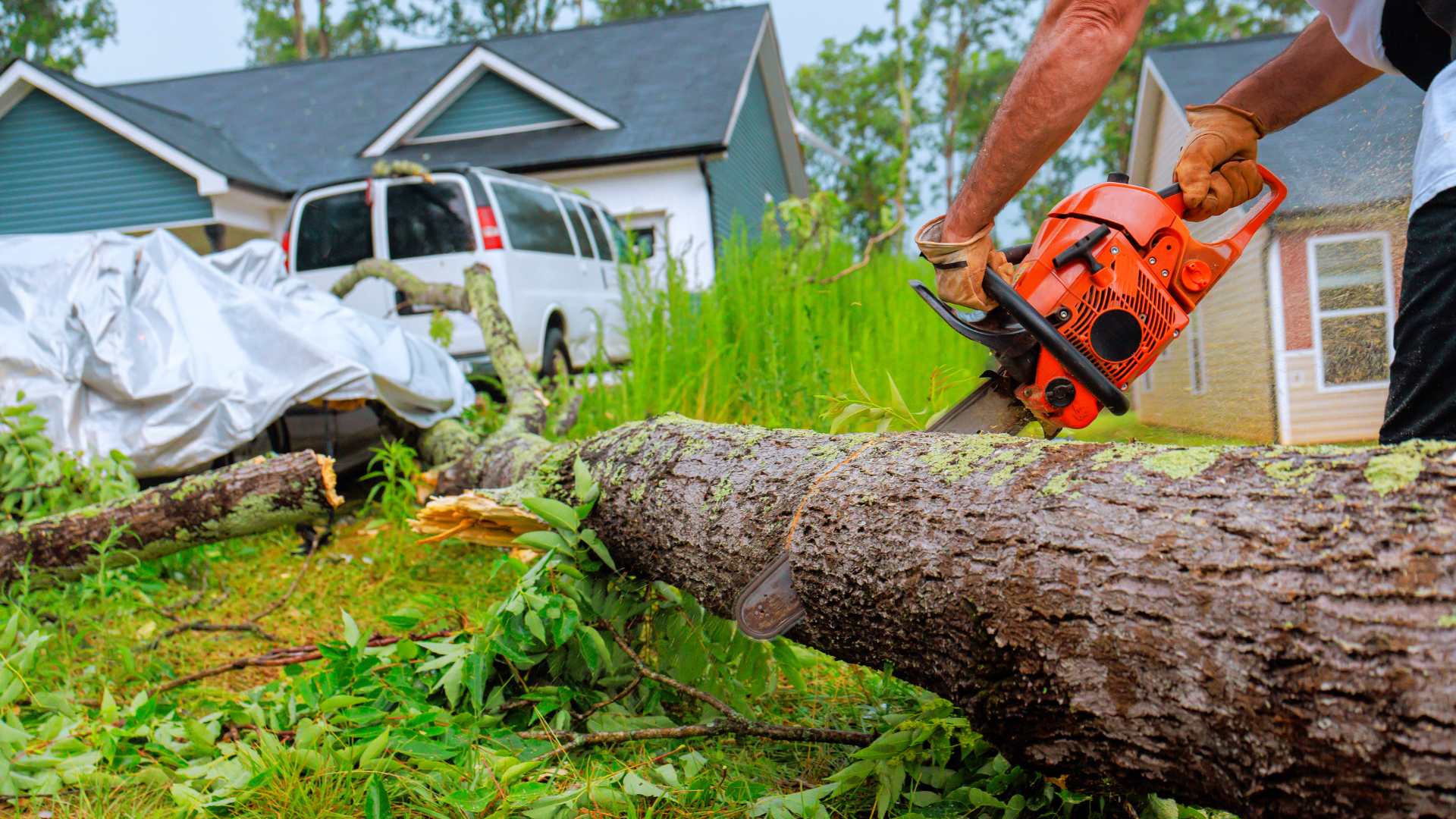
Heavy winds can turn a healthy-looking tree into a serious hazard in minutes. A large limb can snap, a trunk can split, or an entire tree can come down across a driveway, roof, fence, or power line. When that happens, waiting too long can make the damage worse.
Homeowners in St. James, MO know how quickly storms can move through the area. One minute the yard looks fine, and the next, fallen trees are blocking access or threatening nearby structures. That is when fast, careful storm damage tree removal matters.
Page Tree Service LLC helps homeowners deal with dangerous trees, storm debris, and urgent cleanup needs. The goal is simple: make the property safer, remove the hazard, and help you move forward without taking unnecessary risks.
What Should You Do First After a Tree Falls?
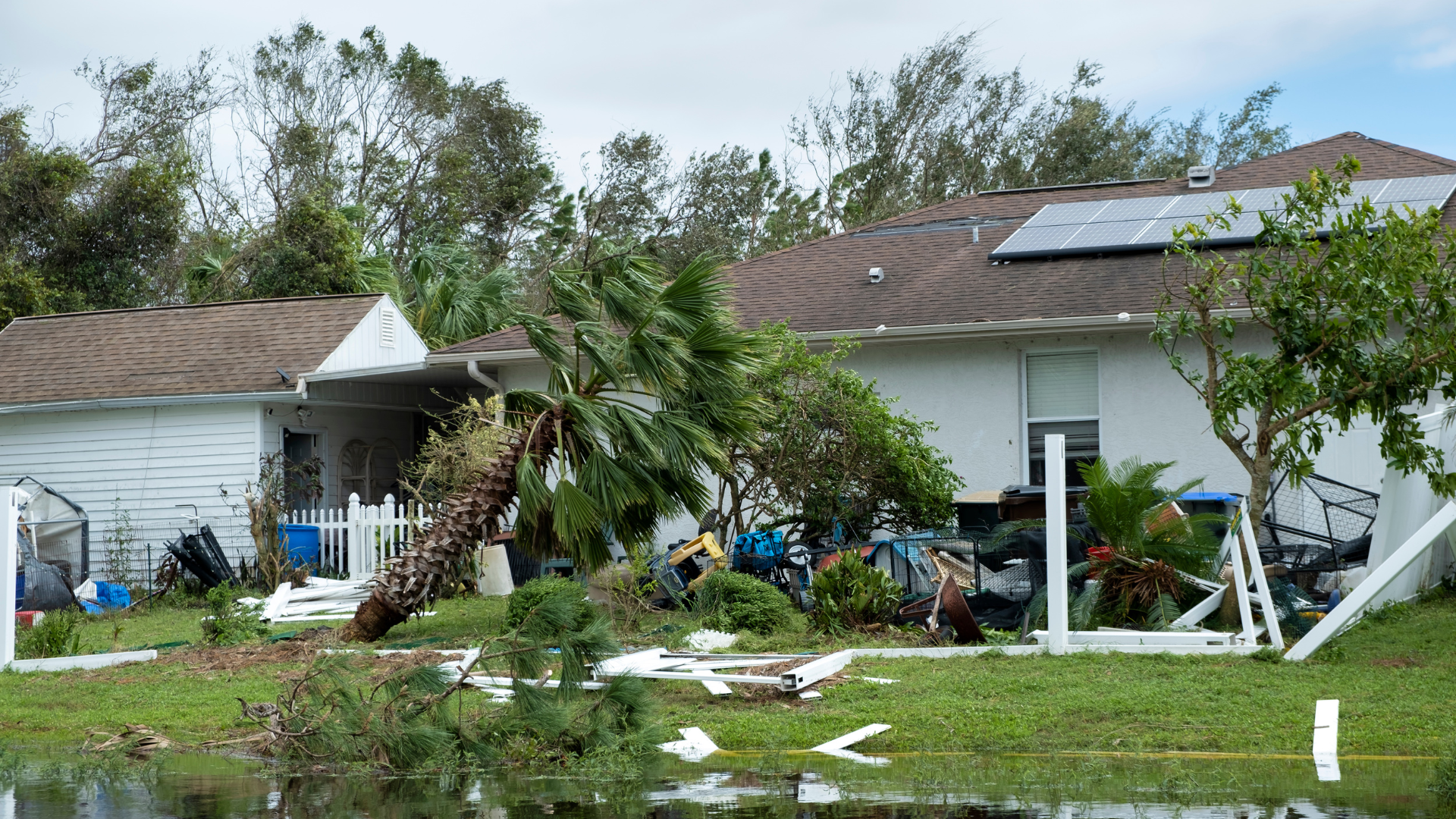
The first step is to stay away from the tree until the area is checked for hazards. Fallen trees can shift without warning, especially when branches are under tension or the trunk is resting on a roof, fence, vehicle, or another tree.
If the tree is touching power lines, do not go near it. Call the utility company first. Once electrical risks are handled, contact a tree service that has the equipment and experience to remove storm-damaged trees safely.
For urgent help, many homeowners look for emergency tree service when a fallen tree is blocking access or creating a safety concern. The sooner the situation is assessed, the easier it is to prevent additional damage.
Do Not Try to Cut a Fallen Tree Yourself
Storm-damaged trees are unpredictable. A chainsaw cut in the wrong spot can release pressure and cause the tree to roll, snap, or drop suddenly. This is especially dangerous when the tree is leaning, split, or tangled with other branches.
Even smaller trees can be risky after heavy winds. Wet ground, broken limbs, and hidden cracks can make cleanup more dangerous than it looks from a distance.
Take Photos Before Cleanup Begins
If there is damage to your home, shed, fence, or vehicle, take clear photos before removal starts. These photos may help if you need to contact your insurance company.
Try to capture wide shots and close-up details. Do this only from a safe distance.
When Is Storm Damage Tree Removal an Emergency?
Storm damage tree removal becomes urgent when the tree is creating an immediate risk to people, structures, or access points. A tree across a driveway can trap vehicles. A tree leaning over a roof can cause more damage if wind picks up again. A split trunk may fail without much warning.
Emergency situations are not always dramatic. Sometimes the danger is a large cracked limb hanging above a walkway or a tree that shifted at the roots after saturated soil and high winds. These problems should not be ignored.
If the tree is unstable, leaning toward your home, or blocking a needed path, call for help. Page Tree Service LLC can inspect the situation and recommend the safest next step for St. James homeowners.
Common Signs a Tree Is Unsafe After a Storm
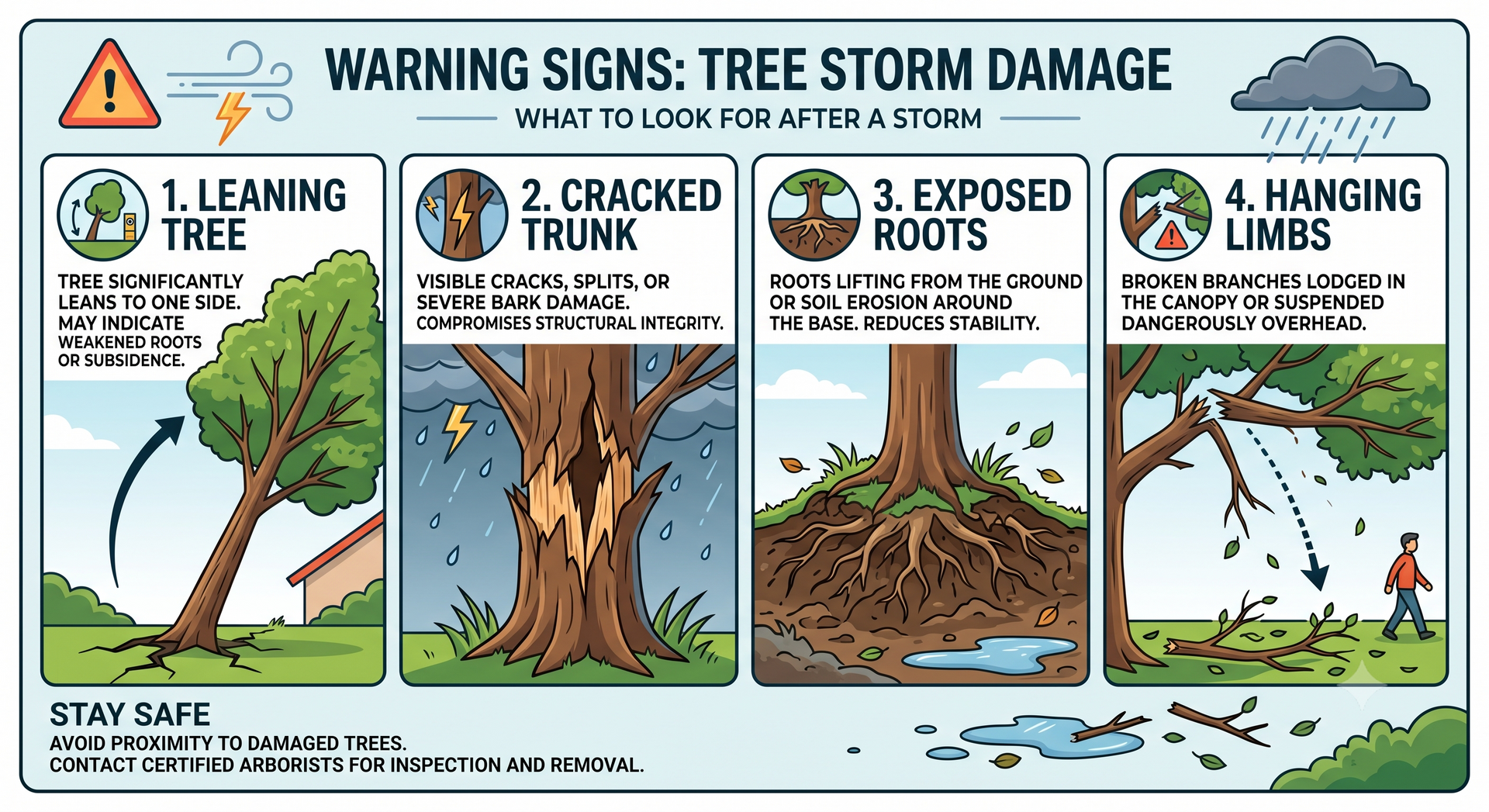
Watch for fresh cracks in the trunk, exposed roots, hanging branches, and sudden leaning. You may also notice bark splitting, soil lifted around the base, or large limbs caught in the canopy.
These signs often mean the tree is under stress. Even if it has not fallen yet, it may need professional attention before the next storm hits.
Fallen Trees Can Cause More Damage Over Time
A fallen tree left in place can put steady pressure on roofs, gutters, fences, and landscaping. Heavy branches may also crush shrubs, block drainage, or make parts of the yard unusable.
Fast cleanup helps reduce those risks. It also makes it easier to see whether additional tree maintenance is needed nearby.
How Professional Cleanup Protects Your Property
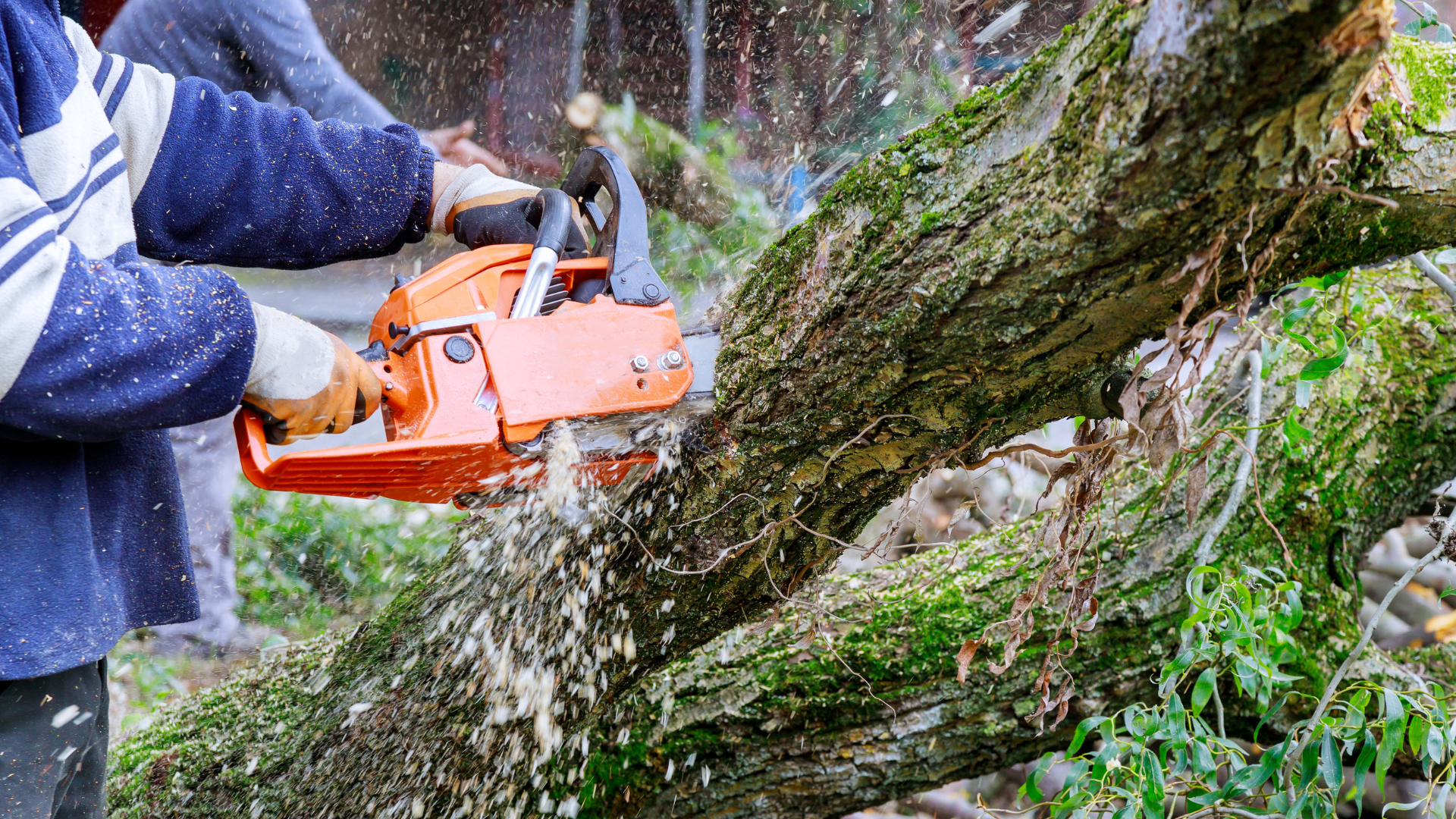
Storm cleanup is more than cutting wood into pieces. A trained crew looks at how the tree fell, where the weight is sitting, and what could move during removal. This helps protect your property and the people working around it.
Professional crews also use the right equipment for heavy limbs, large trunks, and hard-to-reach areas. That matters when the tree is close to a house, garage, fence, or utility area.
After the main hazard is removed, the remaining debris still needs attention. Branches, logs, and broken limbs can clutter the yard and create tripping hazards. Good cleanup leaves the area safer and more usable.
Cleanup May Reveal Other Tree Problems
Once fallen trees and storm debris are cleared, nearby trees should be checked. Heavy winds can weaken limbs that did not fully break. A tree may look stable but still have hidden structural damage.
This is where arborist services can help. A professional inspection can identify trees that need pruning, monitoring, or removal before they become the next hazard.
Stumps and Broken Bases Should Not Be Overlooked
After a tree is removed, the remaining stump can still be a problem. It may attract pests, get in the way of mowing, or create an obstacle in the yard.
Homeowners who want the area fully cleared may also need
stump grinding after storm damage tree removal. This helps finish the job and makes the space easier to maintain.
How Can You Reduce Future Storm Damage?
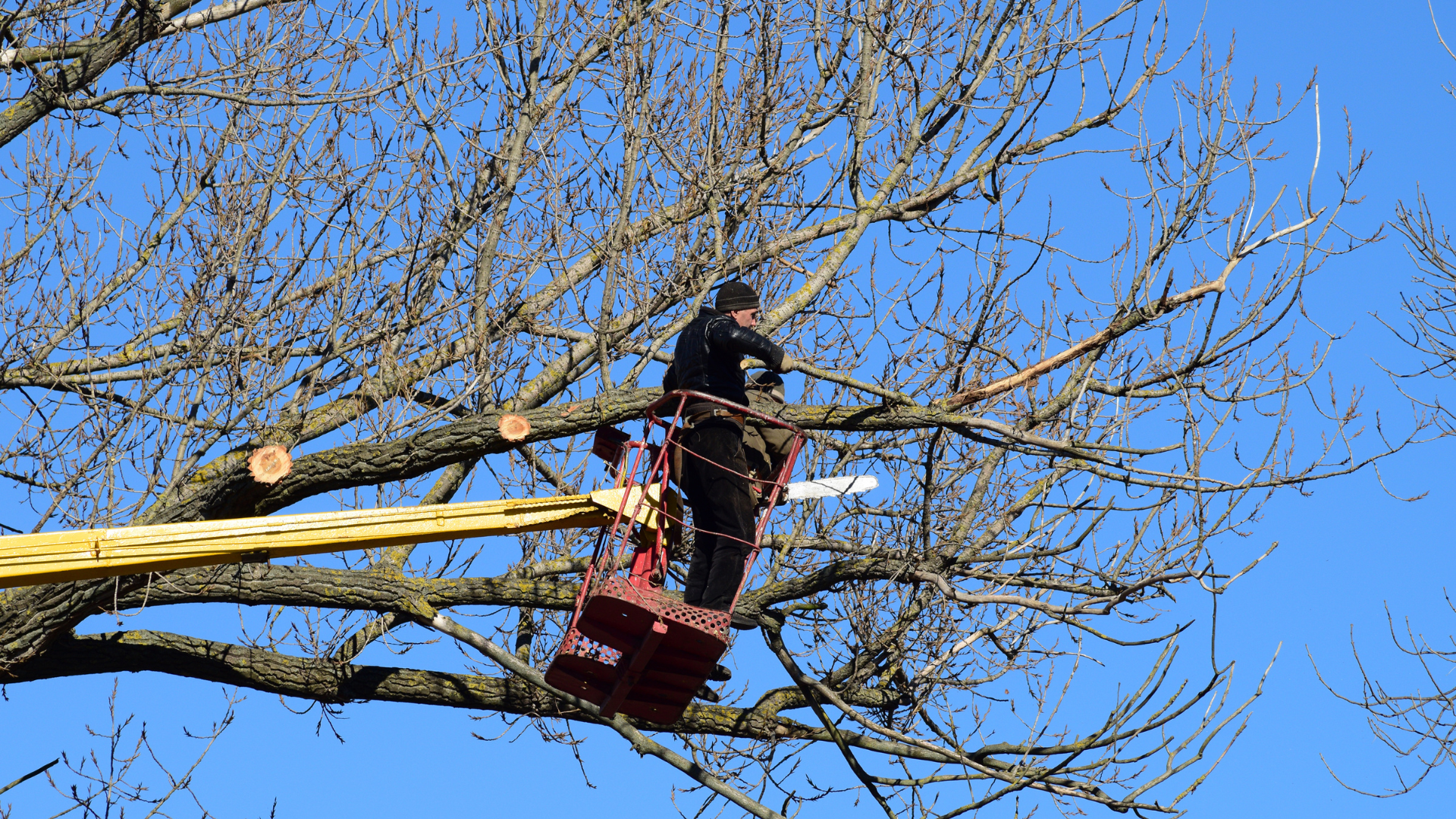
You cannot stop heavy winds, but you can reduce the chances of major tree damage. Regular care helps remove weak limbs, improve tree structure, and catch problems before storms expose them.
Trees near homes, driveways, sheds, and walkways deserve extra attention. If a limb is already dead or cracked, high winds may be all it takes for it to fall.
Routine tree pruning can lower the risk of broken limbs during storms. It also helps trees grow with better balance and clearance around structures.
Look for Deadwood Before Storm Season
Dead branches are one of the most common causes of storm cleanup calls. They can snap quickly during wind and rain, even if the rest of the tree is healthy.
Removing deadwood ahead of time is usually safer and easier than waiting until it falls. It also gives homeowners more control over timing and cost.
Keep an Eye on Trees Close to the House
Trees close to the home need regular checks. Look for branches touching the roof, limbs hanging over parked vehicles, and trunks leaning toward the structure.
If you are unsure whether a tree is safe, it is better to ask before the next storm. Preventive care is often less stressful than emergency tree service after damage has already happened.
Why Storm Damage Tree Removal Matters in St. James, MO
St. James, MO homeowners deal with changing weather, strong winds, wet ground, and mature trees that can become hazardous during storms. A tree that has stood for years can still fail when soil softens or heavy gusts hit at the wrong angle. Local tree care matters because crews familiar with the area understand common yard layouts, storm patterns, and the urgency of clearing fallen trees safely after bad weather.
Call Page Tree Service LLC for a Free Estimate
If heavy winds left you with fallen trees, broken limbs, or urgent cleanup needs, call Page Tree Service LLC at 660-635-0896. Ask for a free estimate for storm damage tree removal in St. James, MO, and get the hazard handled safely.
Frequently Asked Questions
How quickly should I remove a fallen tree after a storm?
A fallen tree should be inspected and removed as soon as it is safe to do so. Waiting can allow more damage to occur, especially if the tree is resting on a roof, fence, driveway, or another structure. If there are power lines involved, contact the utility company before going near the area.
Is storm damage tree removal covered by insurance?
It depends on your policy and what the tree damaged. Many homeowners insurance policies may cover removal if the tree damaged a covered structure, but coverage can vary. Take photos, document the damage, and contact your insurance provider for guidance.
Can I remove a storm-damaged tree myself?
Small branches may be manageable, but large fallen trees, split trunks, and hanging limbs should be handled by professionals. Storm-damaged trees can shift suddenly and cause serious injury. If the tree is leaning, tangled, or near a structure, call a tree service.
What is included in storm cleanup?
Storm cleanup may include cutting and removing fallen trees, clearing broken limbs, hauling debris, and making the property safer. Depending on the situation, stump grinding or additional tree maintenance may also be recommended. The exact work depends on the size, location, and condition of the tree.
How can I tell if a tree might fall after heavy winds?
Warning signs include leaning, cracked trunks, exposed roots, hanging branches, and soil lifting around the base. You may also see fresh splits where large limbs connect to the trunk. If you notice these issues in St. James, MO, schedule an inspection before the next round of bad weather.
Storm damage can leave your property unsafe fast, but the right response can prevent bigger problems. If you need storm damage tree removal, fallen tree cleanup, or emergency tree service in St. James, MO, call Page Tree Service LLC at 660-635-0896 for a free estimate.